 By
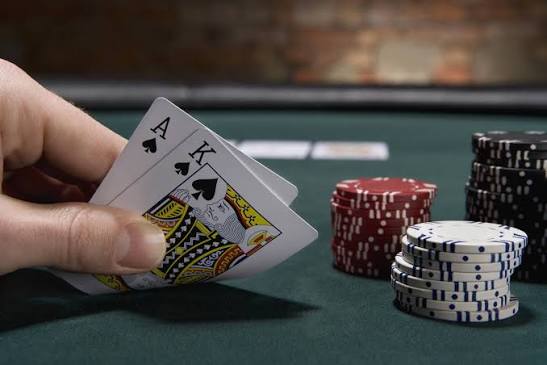
Casino poker is one of the most recognized card games in the gaming industry. It combines strategic thinking, probability, decision-making, and an understanding of game rules. Unlike games that depend entirely on random outcomes, many poker variations allow players to make decisions based on their cards, available information, and the actions of other participants. However, luck remains an important factor, and skill does not guarantee winning.
With the growth of digital entertainment, poker has become available through both traditional casino tables and online gaming platforms. These options provide different experiences, but understanding the basic rules and potential risks remains important for anyone interested in the game.
Understanding the Basic Rules of Casino Poker
Poker is played in several variations, each with its own rules, betting structure, and winning conditions. Texas Hold’em is among the best-known versions. In this game, each player receives two private cards, slot gacor while five community cards are revealed during different stages of play. Players combine their private cards with the community cards to create the strongest possible five-card hand.
Other popular variations include Omaha, Seven-Card Stud, and Five-Card Draw. Each format requires players to understand its specific procedures before participating. Some games involve shared community cards, while others distribute individual cards to each player.
The winner is generally determined by comparing eligible poker hands at the showdown, although a player can also win when all opponents fold. Familiarity with the rules helps players understand the available choices and avoid unnecessary mistakes.
Popular Poker Hands and Their Rankings
Poker hand rankings are essential because they determine which combinations are stronger than others. A royal flush is the highest standard hand in most common poker variations, followed by a straight flush, four of a kind, and a full house.
A flush consists of five cards of the same suit, while a straight contains five consecutive ranks. Three of a kind, two pair, and one pair are other common combinations. A high-card hand is used when no player has a qualifying combination, with the highest relevant cards determining the result.
Learning these rankings provides a foundation for understanding the game. Players should also learn how ties are resolved and how different poker variations may change the use of certain cards or hand combinations.
The Role of Strategy in Casino Poker
Strategy is an important part of poker because players must evaluate information and make decisions under uncertainty. Position at the table, the strength of a hand, betting patterns, and the number of opponents can all influence a decision.
Experienced players often consider the likelihood of improving their hands and the possible strength of their opponents’ combinations. They may also adjust their approach depending on whether they are acting early or late in a betting round. Nevertheless, strategic decisions cannot eliminate the uncertainty associated with cards and other players’ choices.
Bluffing is another familiar element of poker. It involves representing a stronger hand than a player actually holds. However, bluffing carries risks and may lead to losses when opponents decide to continue playing. It is not a guaranteed method of success.
Online Casino Poker and Digital Platforms
Online casino poker allows users to access selected poker games through websites and mobile applications. Depending on the platform, available formats may include cash games, scheduled tournaments, and games against computer-controlled opponents.
Digital platforms can provide convenient access, automated card distribution, and tools that display betting amounts and game information. Some also offer tutorials or practice modes that help users understand the rules before playing with real money.
However, online platforms differ in their licensing, security standards, and operating policies. Users should check whether a platform is legally permitted to operate in their jurisdiction, review its privacy practices, and understand its terms before creating an account. A professional-looking website alone does not establish that a service is trustworthy.
Poker Probability and Decision-Making
Probability helps explain why certain poker hands occur more frequently than others. The likelihood of receiving a particular combination depends on the number of cards available and the rules of the game. Understanding these probabilities can help players evaluate decisions more logically.
For example, a player holding four cards toward a flush may consider the remaining cards that could complete the combination. However, the chance of improvement must be evaluated alongside the betting amount, the number of opponents, and the possibility that another player already has a stronger hand.
Poker decisions also involve incomplete information. Players cannot usually see their opponents’ private cards, so they must work with probabilities rather than certainty. Even a mathematically reasonable decision can produce an unfavorable result in an individual hand.
Poker Tournaments and Cash Games
Casino poker commonly includes two major formats: cash games and tournaments. In cash games, chips generally represent a monetary value, and players can often join or leave according to the table’s rules. Betting limits and minimum buy-ins vary between games.
Tournaments follow a different structure. Participants pay an entry fee or use an eligible entry method, receive tournament chips, and compete until the event’s elimination or finishing conditions are met. Blind levels commonly increase over time, which changes the pressure on players as the tournament progresses.
Both formats require an understanding of their rules and financial conditions. Tournament prizes are not guaranteed, and entry fees or other costs can be lost. Players should understand these risks before participating.
Responsible Gaming and Financial Awareness
Casino poker involves financial risk whenever real money is used. No strategy can guarantee consistent profits, and even knowledgeable players can experience extended losing periods. Treating poker as a dependable source of income can lead to poor financial decisions.
Responsible participation starts with setting a strict spending limit and deciding in advance how much time to spend playing. Money intended for rent, food, bills, savings, or other essential expenses should never be used for gambling. Borrowing money to continue playing or attempting to recover previous losses can make financial problems worse.
Players should also recognize warning signs such as hiding gambling activity, neglecting responsibilities, or feeling unable to stop. Taking a break and seeking appropriate support can help prevent further harm. Age restrictions and local gambling laws should always be respected.
Conclusion
Casino poker combines card rankings, probability, strategic decisions, and uncertainty in a competitive gaming environment. From Texas Hold’em to tournament formats, each variation offers its own rules and challenges. Learning the fundamentals can improve understanding of the game, but it cannot remove the financial risks associated with gambling.

Comments